
Nursing and Healthcare CV for the Gulf
Gulf healthcare recruitment has a gate that most sectors do not: professional licensing. Before a recruiter evaluates your clinical experience, they need to know whether you can be licensed to practise in that jurisdiction, and how long that will take.
Every Gulf state runs its own health regulator with its own registration process: among them the Department of Health in Abu Dhabi, the Dubai Health Authority, the UAE Ministry of Health and Prevention, the Saudi Commission for Health Specialties, and Qatar's Department of Healthcare Professions. Requirements, examination arrangements and eligibility criteria change, and they differ by profession and by grade. Verify the current position directly with the relevant regulator before you rely on anything, including this guide.
What this guide covers is how to present your record so a recruiter can assess you quickly.
Check what a parser reads from your CV with our free ATS Resume Checker.
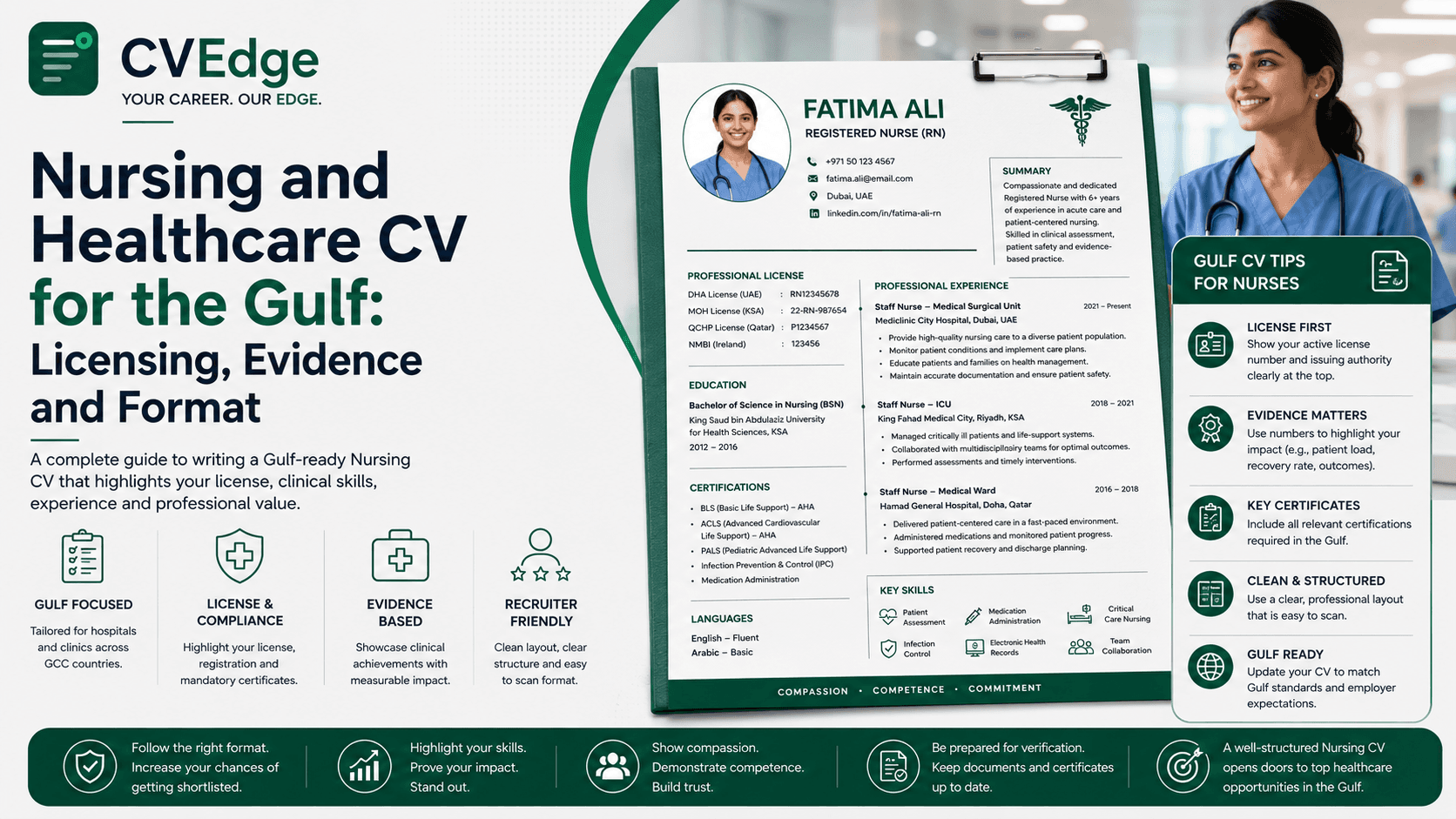
Put Licensing Status in the Header
This is the single highest-value change most healthcare candidates can make.
A recruiter's first question is where you sit on the licensing path. Answer it before they have to ask. In your header or immediately below it, state:
- Your home-country registration: council, registration number status, and whether it is active
- Any Gulf licence you already hold, with the issuing authority
- Any eligibility letter, dataflow verification, or examination you have already completed
- Your current visa or residence status if you are already in the region
A candidate with dataflow primary source verification already completed is materially cheaper and faster to hire than one who has not started. If that is you, it belongs on line four of page one, not on page three.
Lead With Specialism and Acuity
Generic clinical descriptions do not differentiate. Gulf hospitals recruit into specific units and screen for specific exposure.
State your specialism precisely: not "nursing" but ICU, NICU, PICU, CCU, ED, theatre and which surgical specialties, dialysis, oncology, midwifery, cath lab. Then give the setting and the acuity: bed count, unit type, whether tertiary or secondary care, typical nurse-to-patient ratio, trauma designation, annual case volume.
Staff Nurse, Adult ICU: 24-bed level 3 unit, tertiary referral centre. 1:1 and 1:2 ratios. Ventilated, CRRT and post-cardiac-surgery patients. Average 6 admissions per shift.
That paragraph tells a Gulf recruiter more than a page of duty statements.
Quantify What Is Quantifiable
Clinical work resists the metrics language of commercial CVs, and forcing it produces something that reads false. Use the numbers that genuinely exist in healthcare:
- Bed count and unit size
- Patient ratios
- Case volume or throughput
- Audit results and compliance rates you contributed to
- Documented reductions (infection rates, falls, medication errors) where you can attribute your role honestly
- Teaching load: preceptees supervised, students mentored
- Accreditation cycles you worked through, such as JCI, and your specific role in them
JCI accreditation experience is worth naming explicitly. Many Gulf hospitals are JCI-accredited and value candidates who have worked inside that framework.
Certifications Section
Give it its own block, high on the page, with awarding body and expiry:
BLS, ACLS, PALS, NRP, ATLS, ENPC, TNCC as applicable. Specialty certifications such as CCRN. Infection control and patient safety training. Any regulator-mandated continuing professional development.
Expiry dates matter here more than in most sectors. A lapsed ACLS card delays a start date.
Structure
- Header with contact, nationality, visa status and licensing status
- Professional summary: profession, specialism, years, acuity setting, licensing position
- Licences and registrations
- Certifications with expiry dates
- Clinical experience, reverse chronological, with setting and acuity for each post
- Education, with attestation status
- Additional: languages, teaching, research, quality improvement projects
Two pages standard, three acceptable for senior or specialist clinicians.
Language and Cultural Context
State your English level, and any Arabic. Patient-facing roles in the Gulf serve a highly multilingual population, and additional languages (Hindi, Urdu, Malayalam, Tagalog, Arabic) are a practical advantage in many units. List them honestly with proficiency levels.
Format Constraints
Single column. No tables or text boxes for clinical detail. Standard headings. PDF. Large Gulf hospital groups run applicant tracking systems and agency portals, and a decorative healthcare template with sidebars will parse badly. Our guide on ATS resume format covers the rules.
Common Mistakes
- Licensing status not stated, so the recruiter assumes you have not started
- "Nurse" without specialism or acuity
- Duty lists copied from a job description
- Certification expiry dates omitted
- Degree attestation status not mentioned
- Decorative healthcare template that fails to parse
- Same CV sent to an ICU post and a ward post
Templates That Parse Cleanly
Every layout below is single-column and free to use. Preview and edit any of them in the CVEdge resume builder, or browse all 32 in the template library.
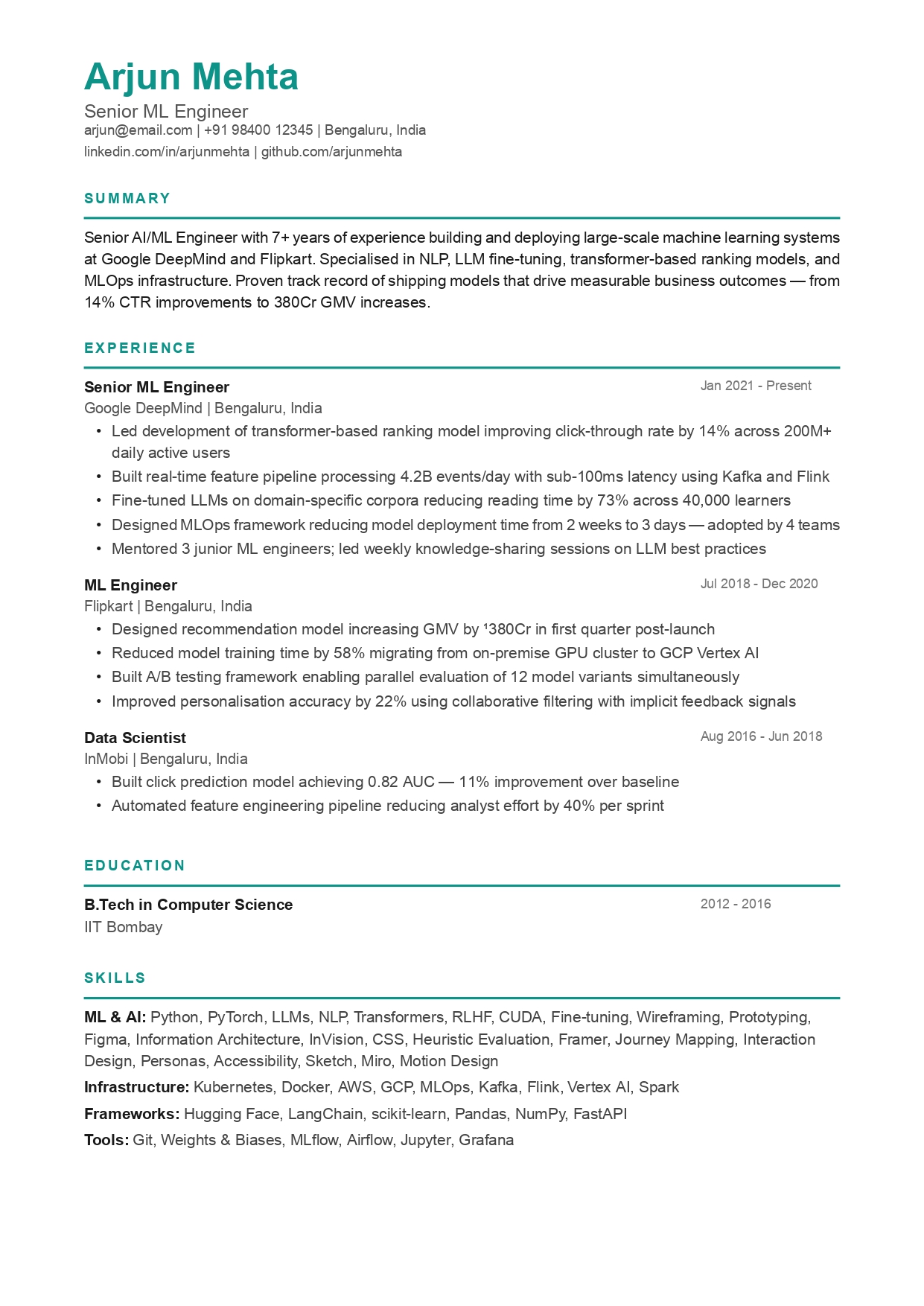
Classic ATS Resume Template: Standard headings, no graphics, parses cleanly through Greenhouse, Workday, Lever and iCIMS. The default if you are unsure.
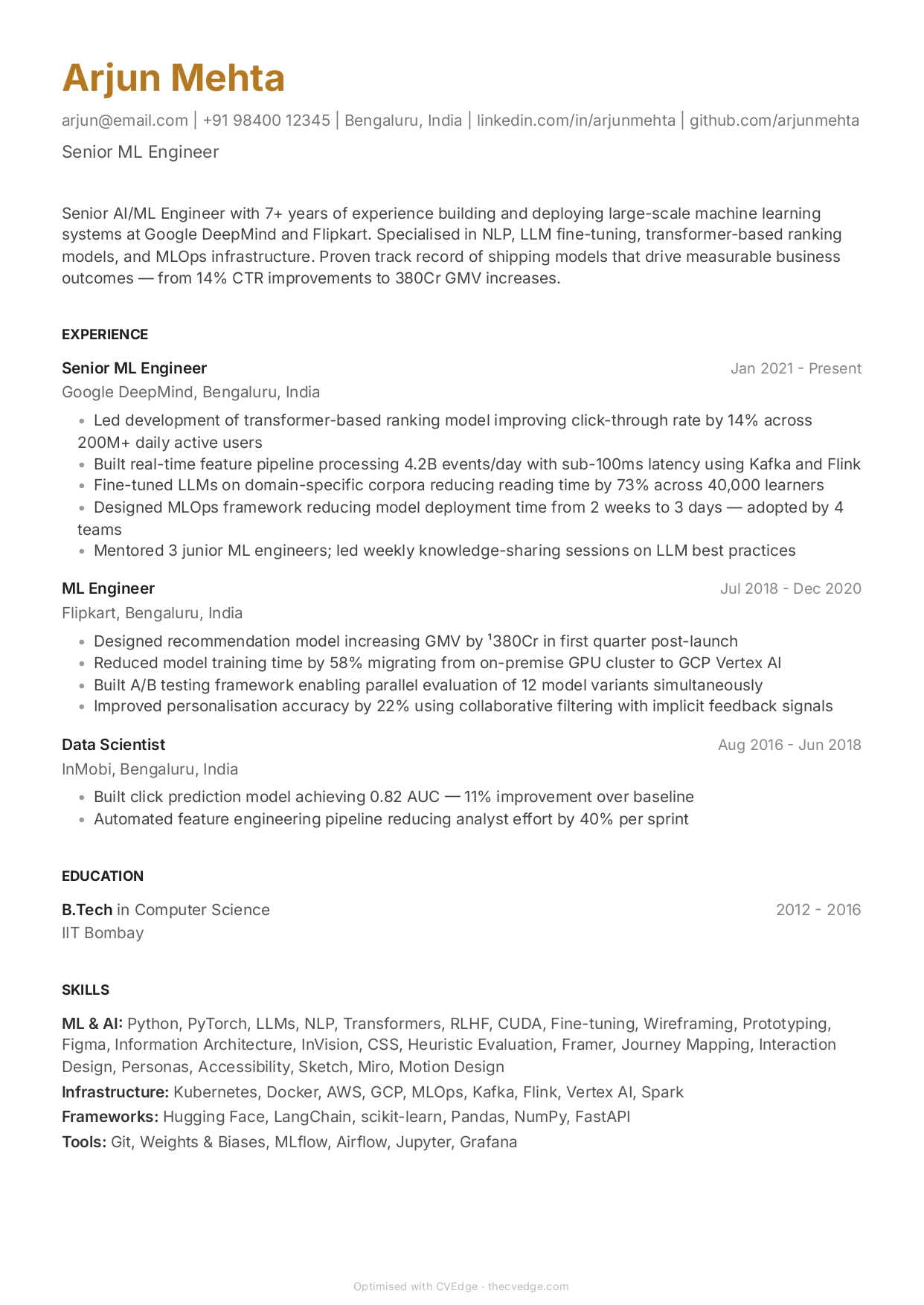
Minimal ATS Resume Template: Maximum content in minimum space, useful when you need to hold a two-page limit without cutting substance.
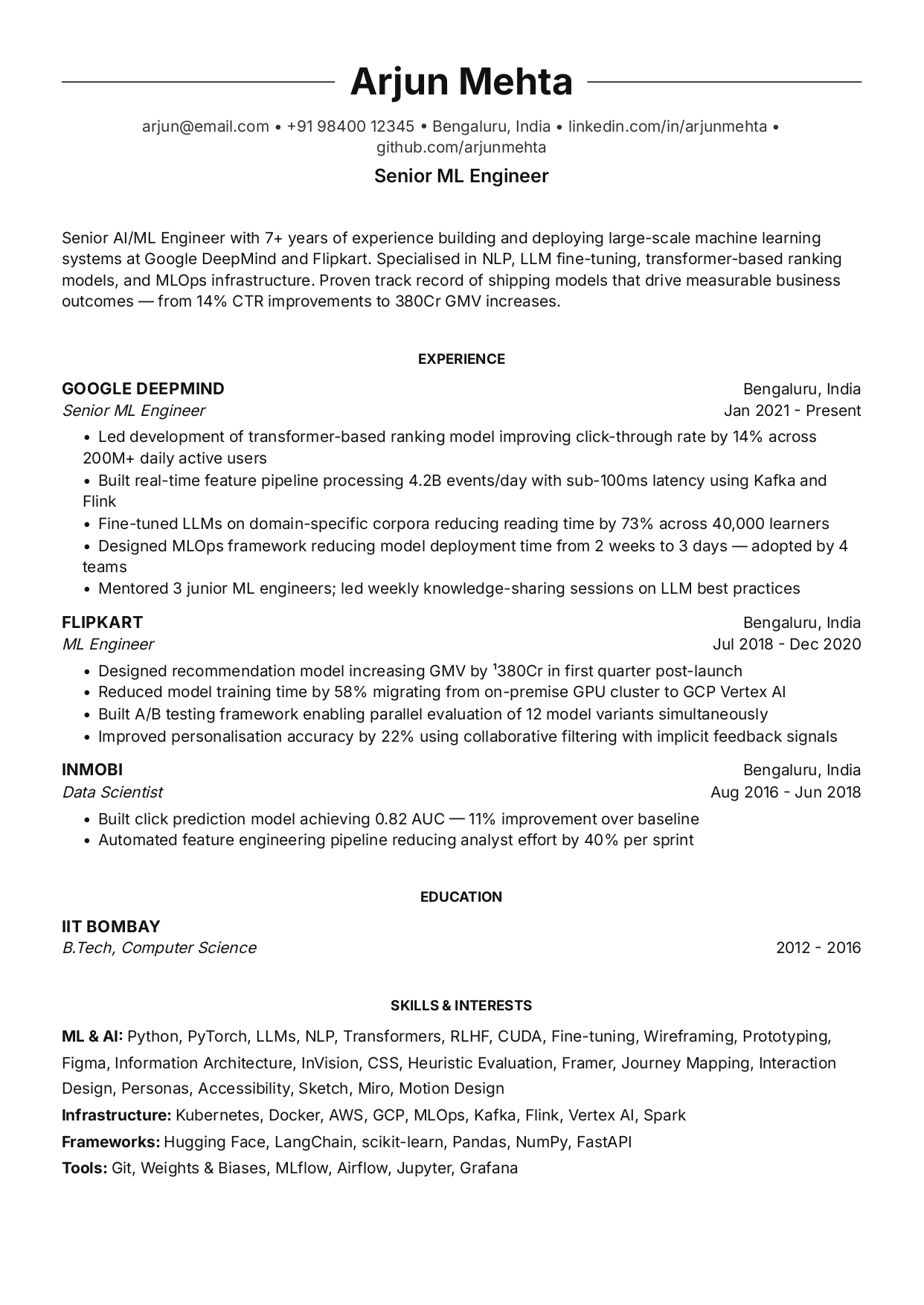
Harvard ATS Resume Template: Single-column, academic-standard layout. The most-viewed template on CVEdge and the safest choice when you do not know which ATS you are up against.
Related Guides
Next Step
Confirm licensing requirements with the relevant regulator, then check your CV parses cleanly with our free ATS Resume Checker.